


.svg)


Fascial Stretch Therapy in London, Ontario
Restore movement where stretching and foam rolling fall short.
Fascial Stretch Therapy targets joint and connective tissue restrictions that limit how freely you move – not just muscles that feel tight.
Apply for Coaching
This form helps determine whether fascial stretch therapy fits your goals, history and availability.


Why stretching hasn't fixed the problem
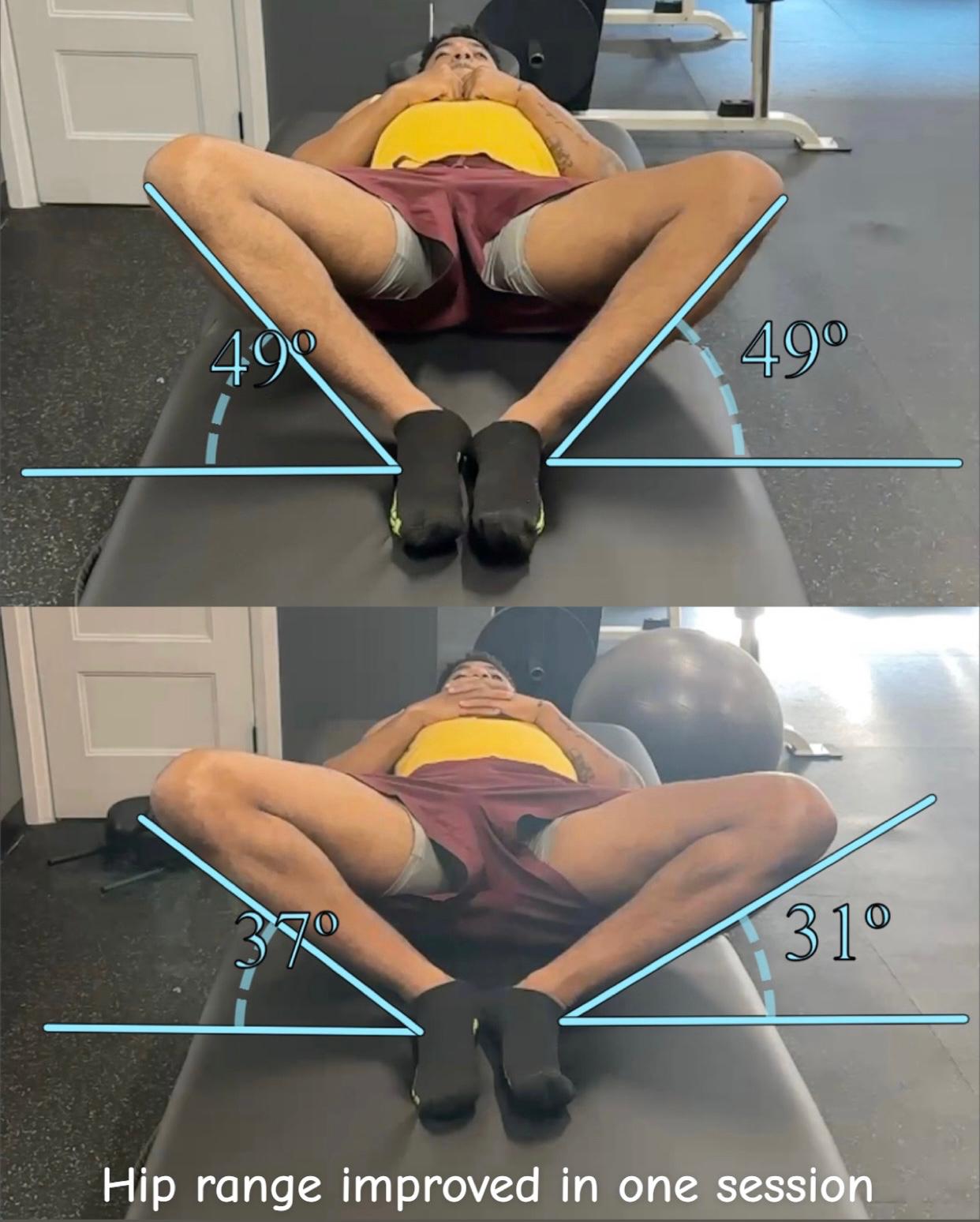
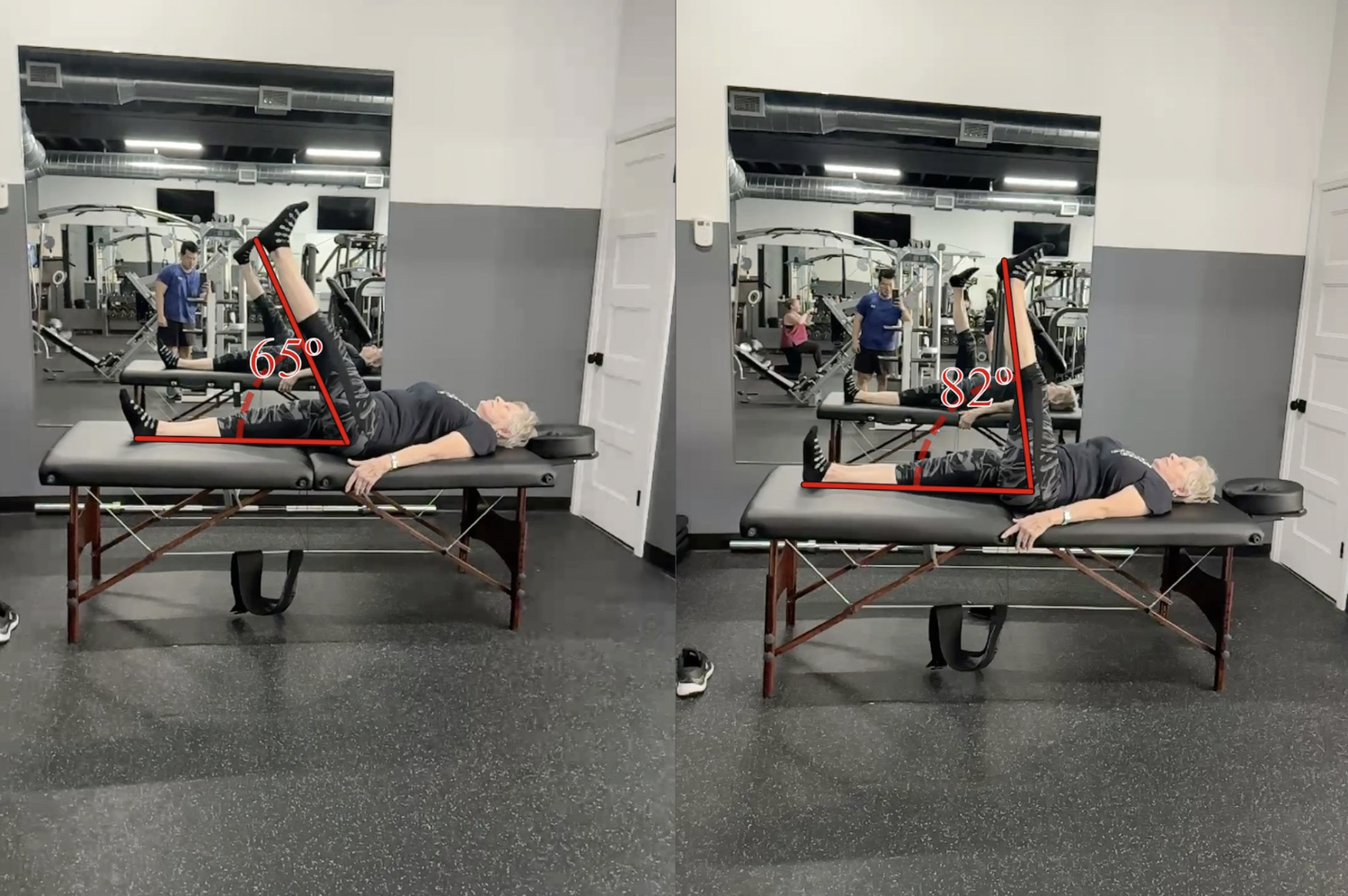
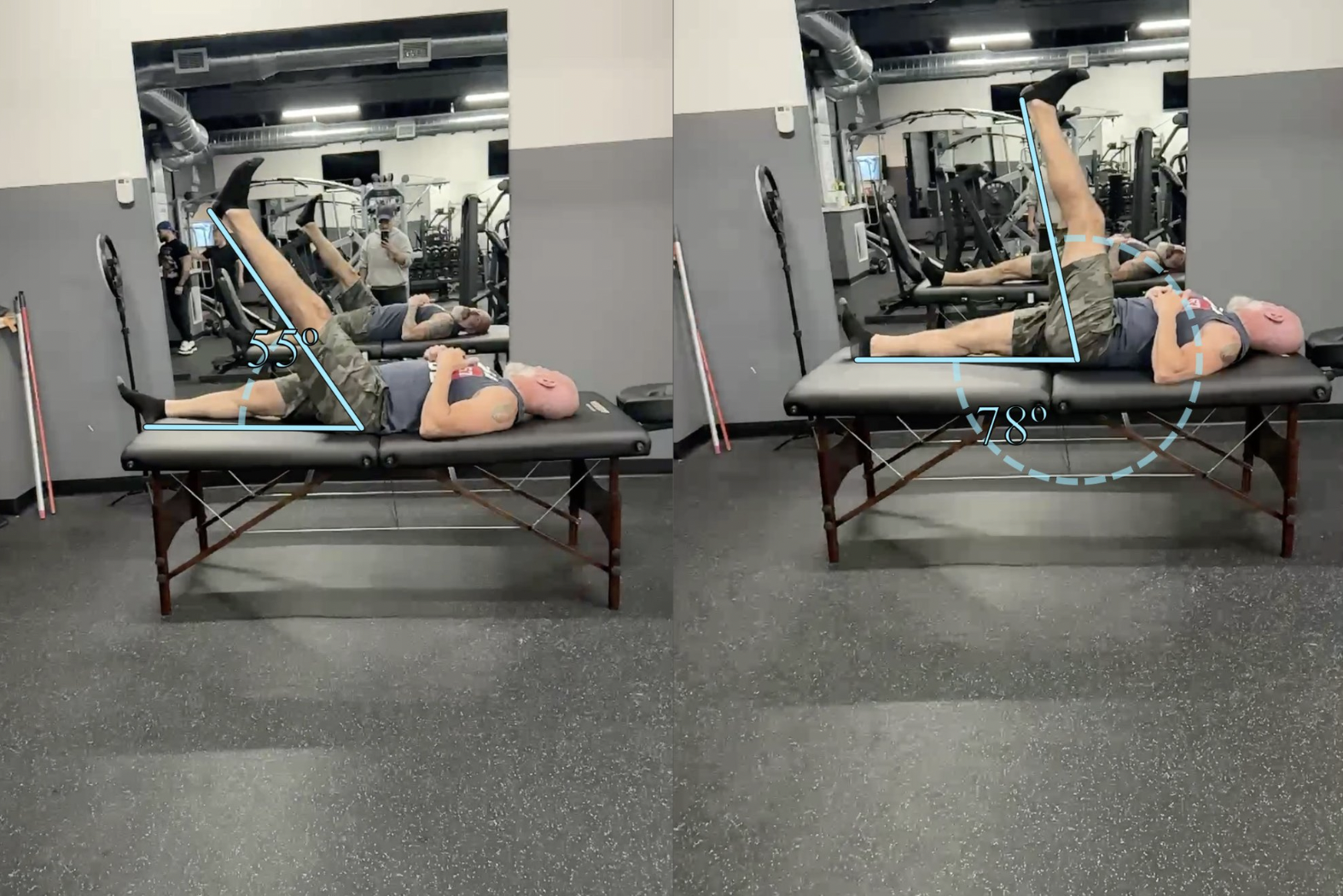
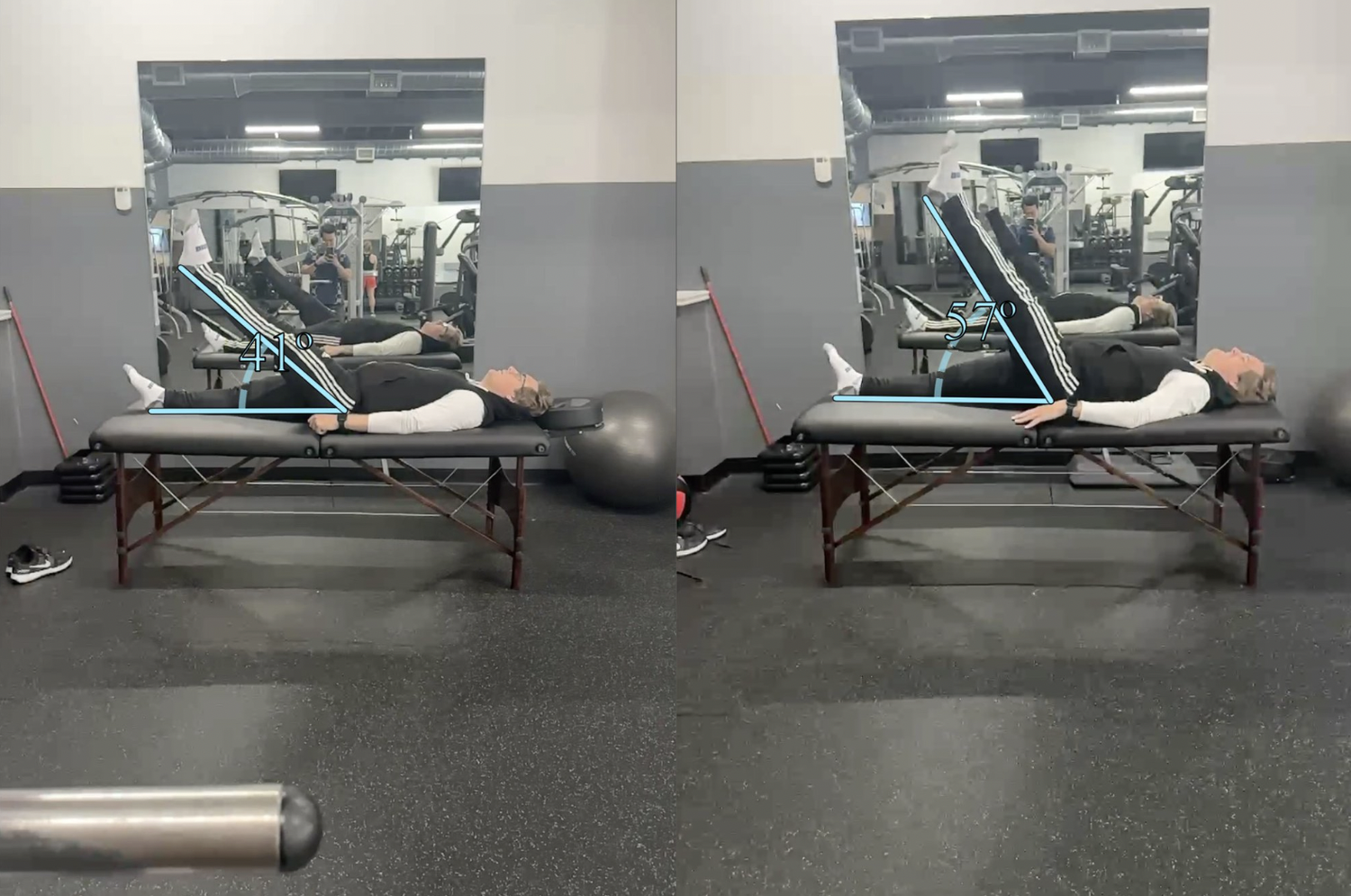
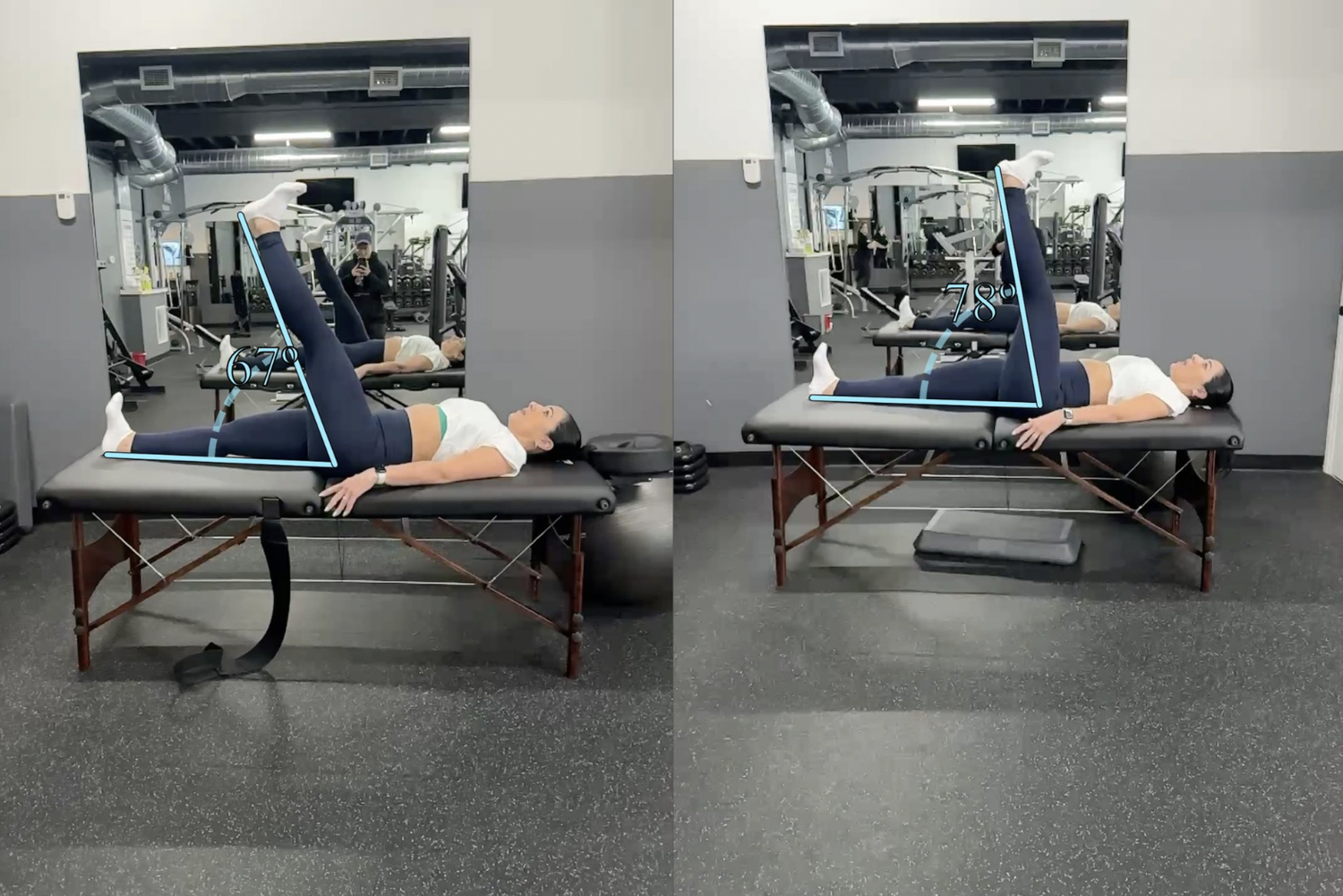
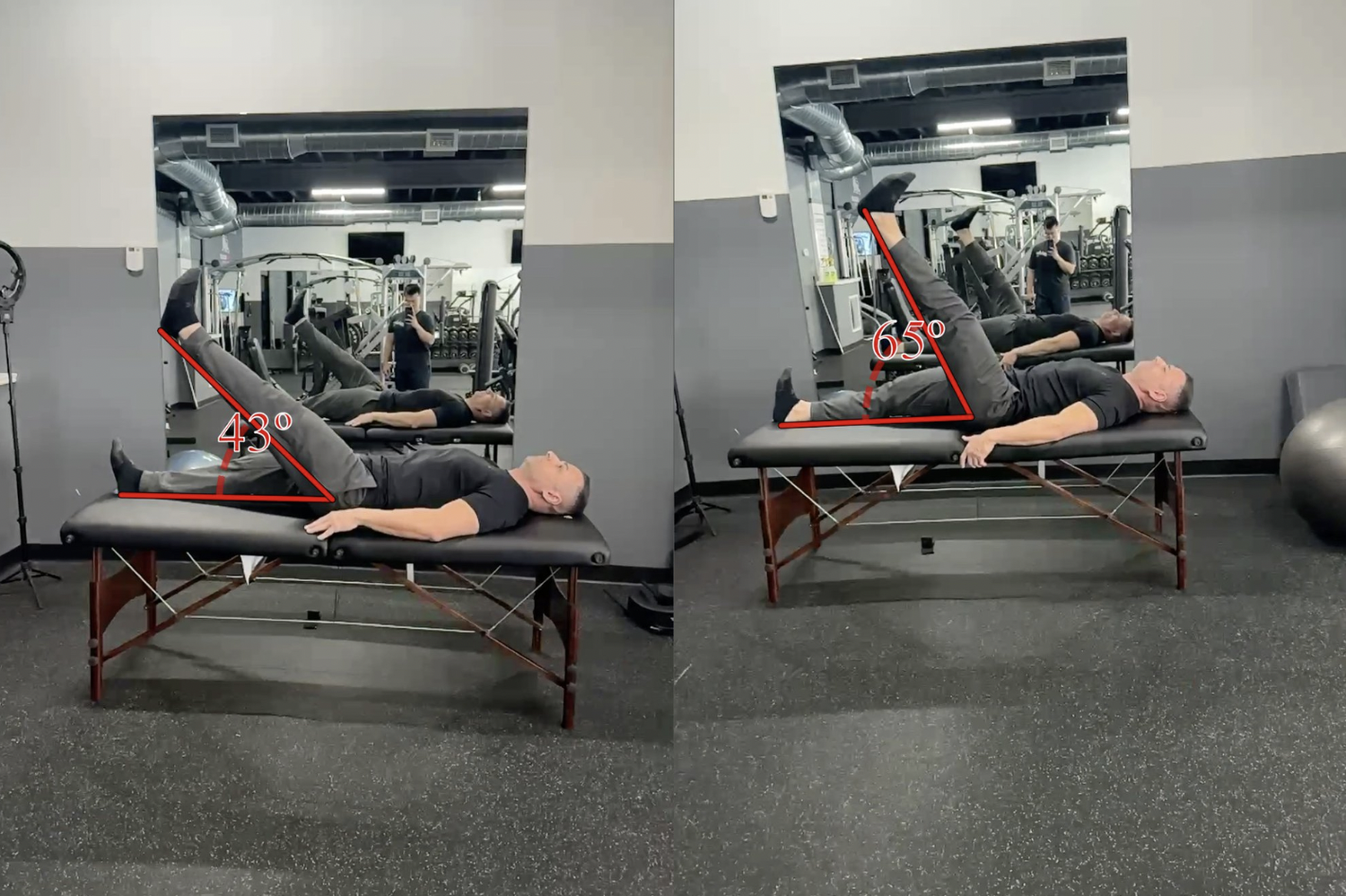
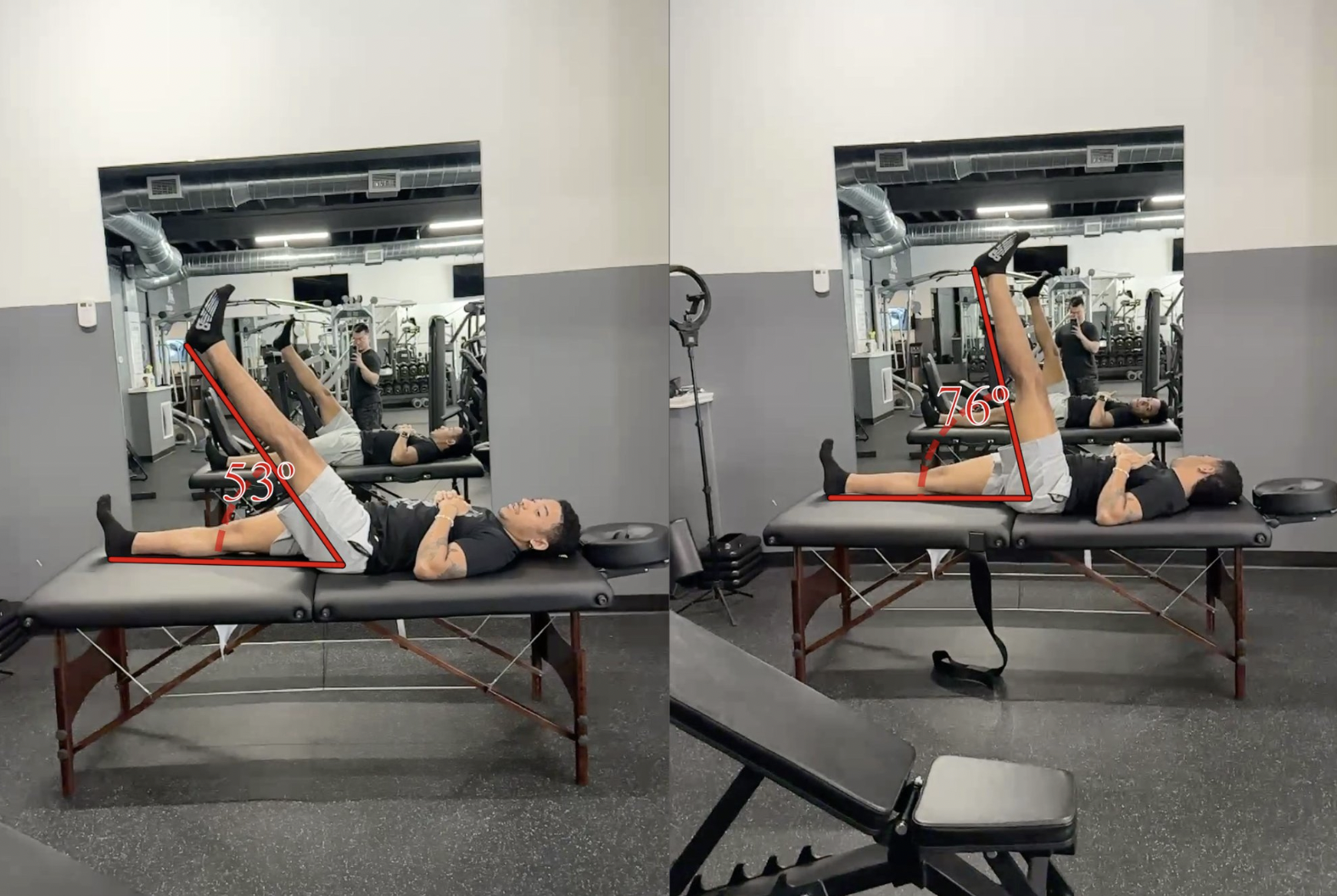
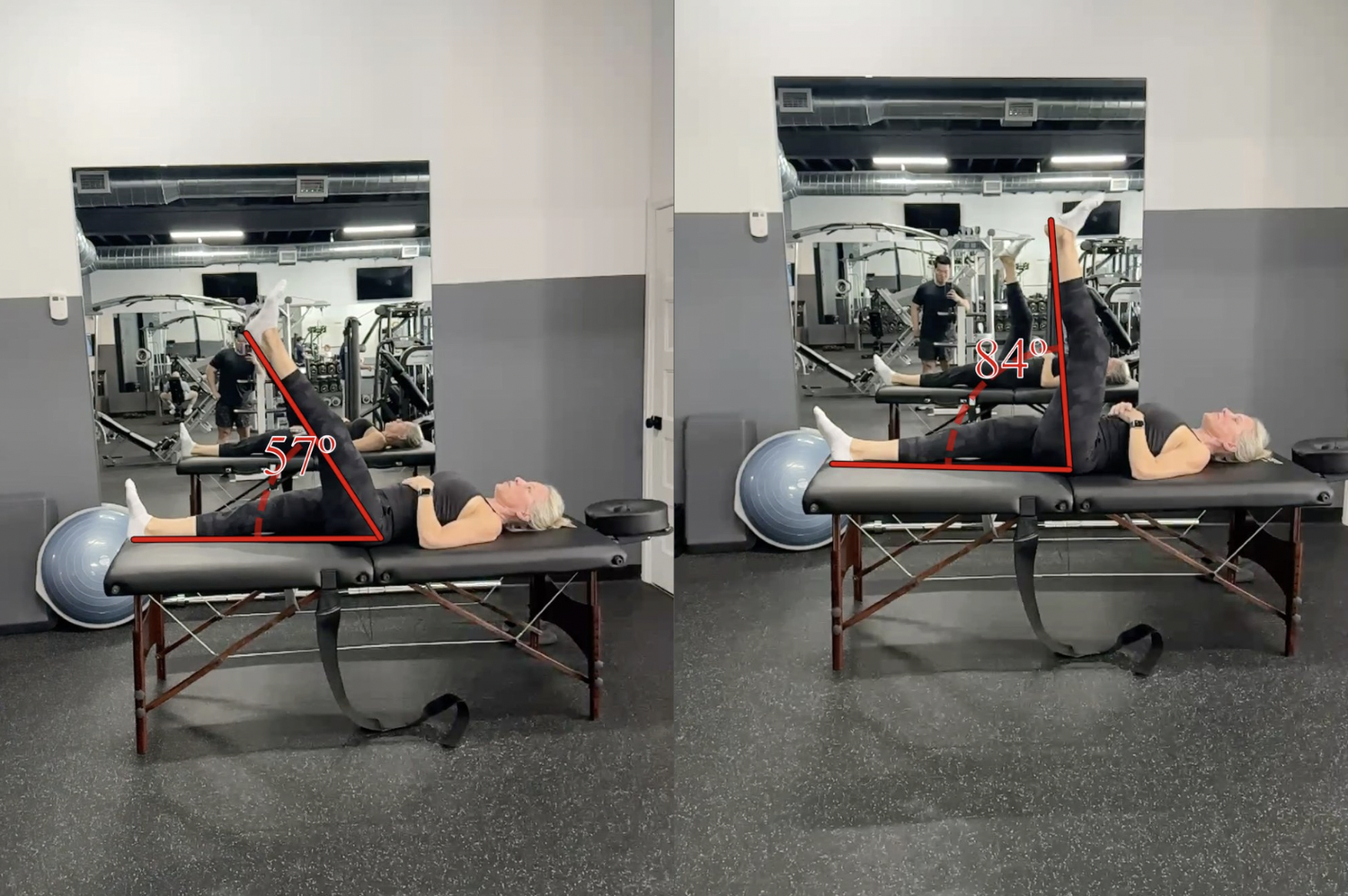
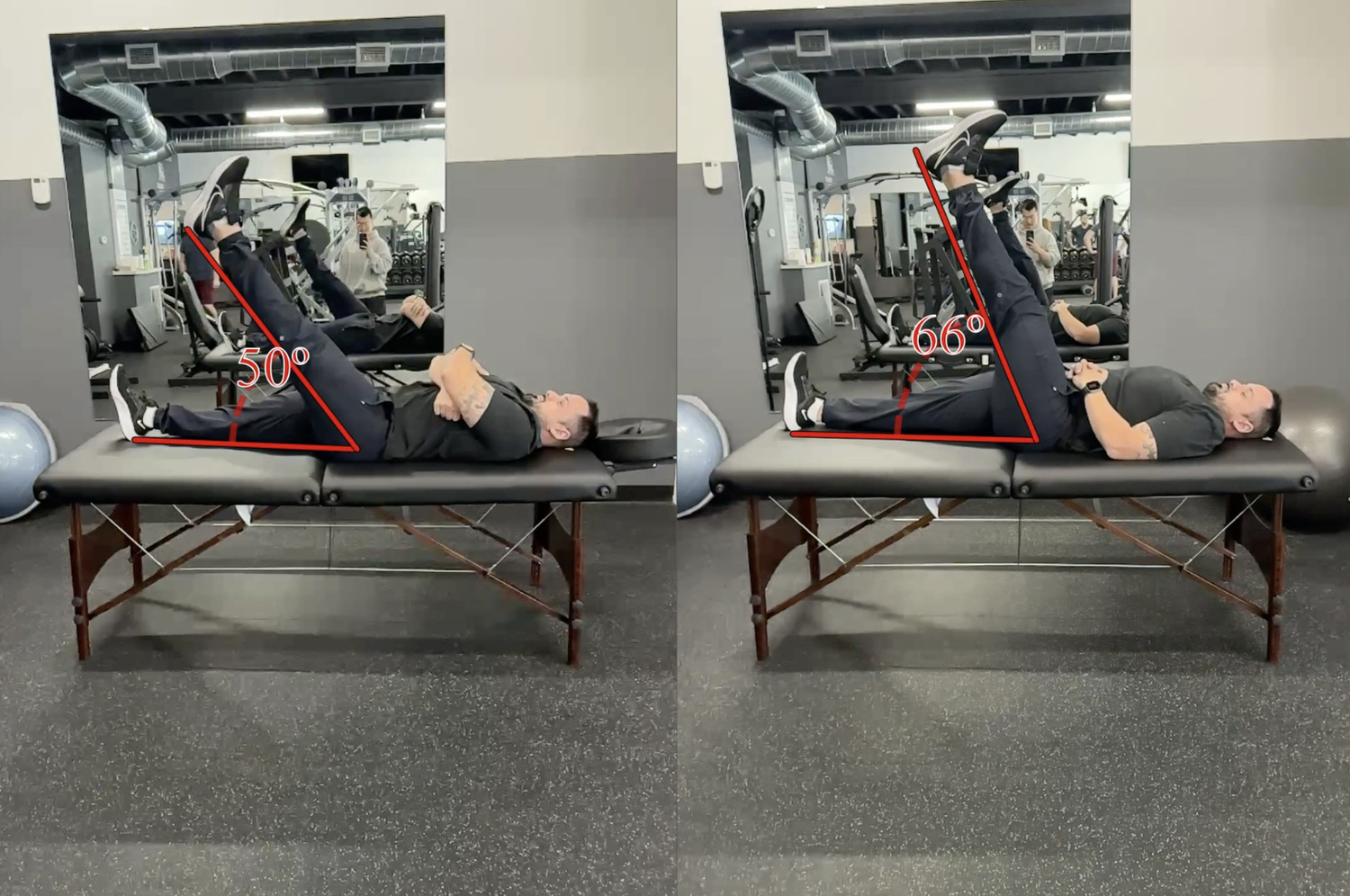
If stretching hasn't improved your squat depth, stride or shoulder range, the issue is often fascia, not muscle. Fascia is the connective tissue system that organizes movement across joints. When it stiffens, motion feels blocked, and compensation follows even if muscles feel "loose". Fascial Stretch Therapy works directly on these restrictions using assisted movement and joint traction, restoring motion where it's actually lost.
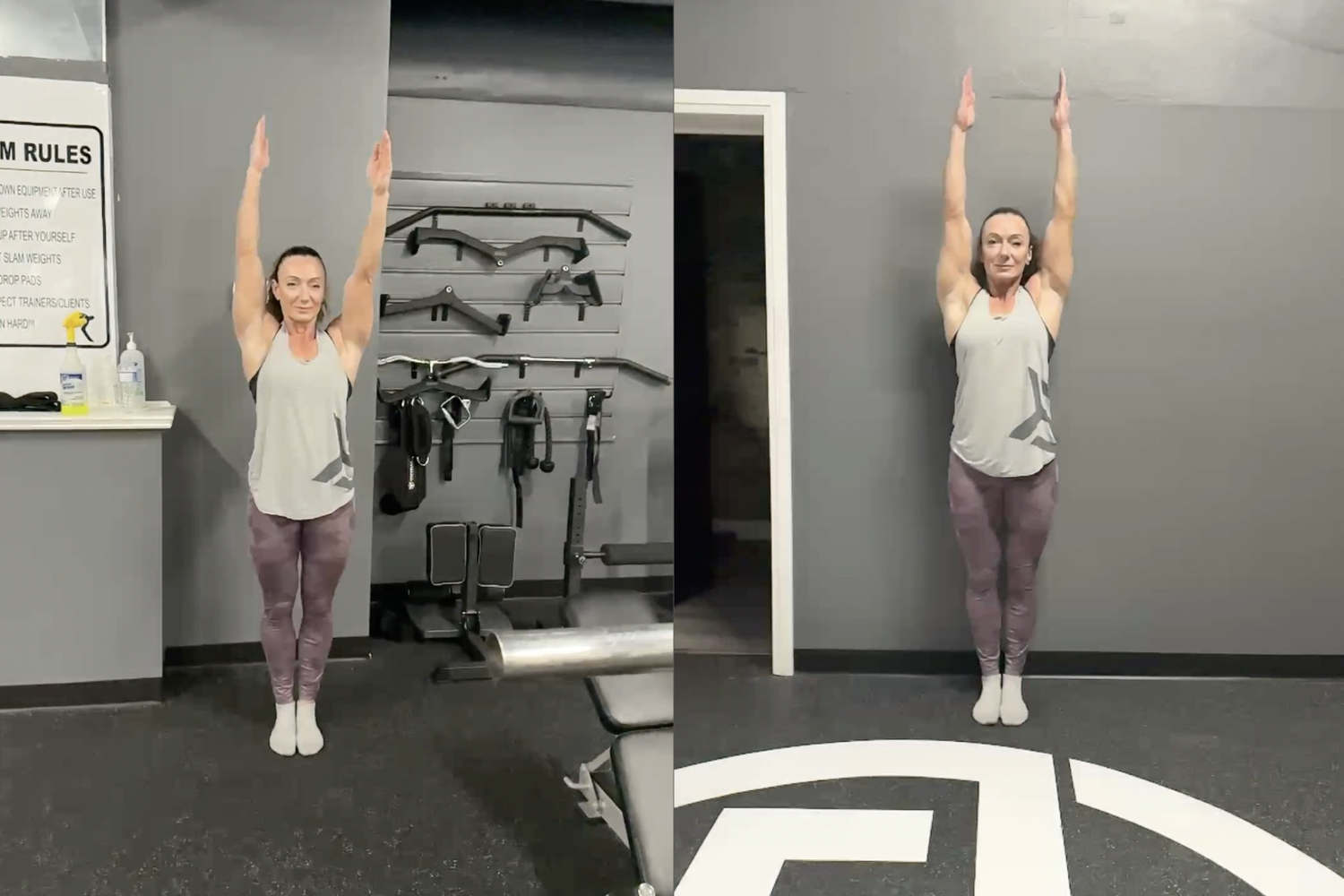
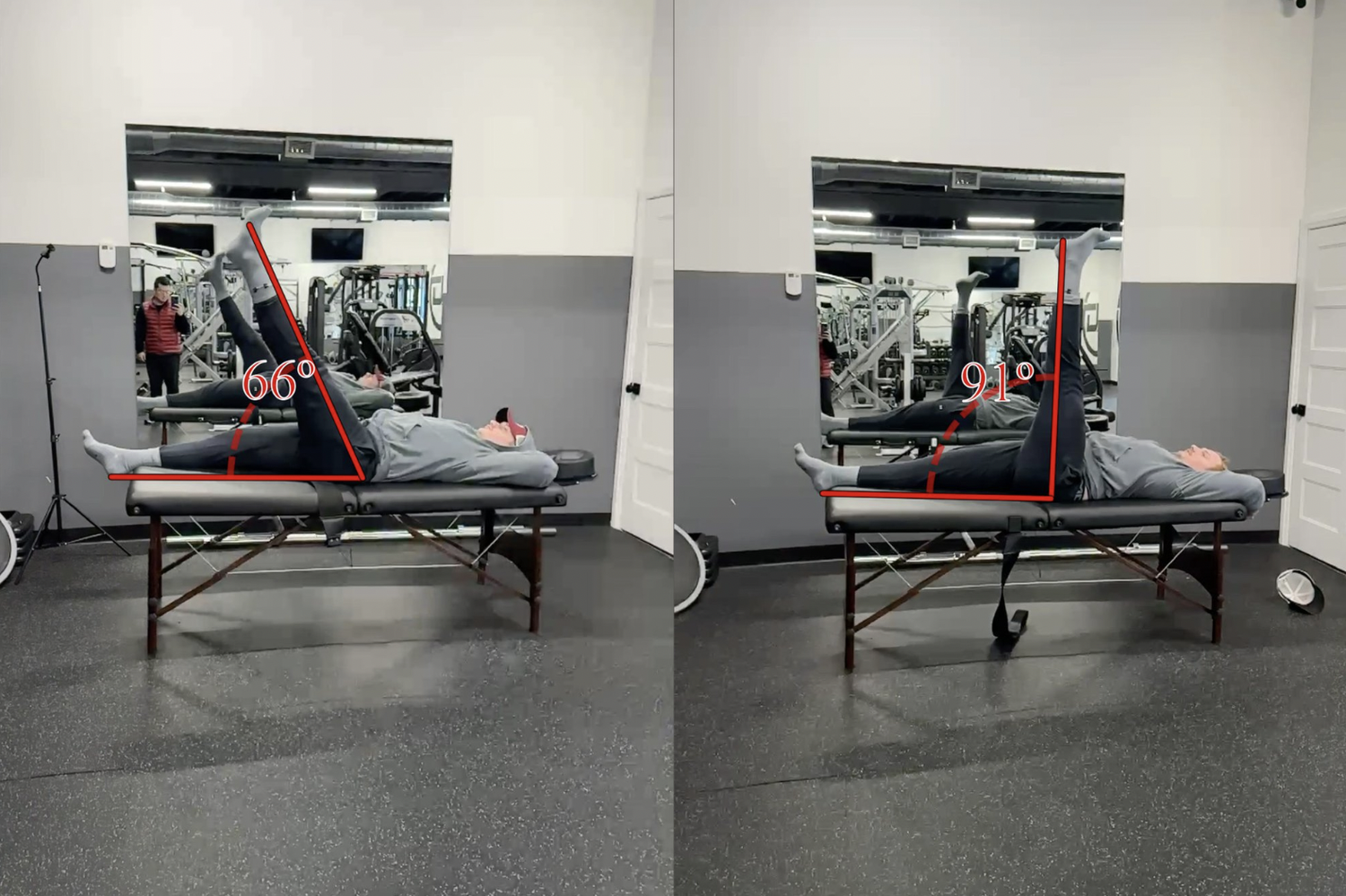
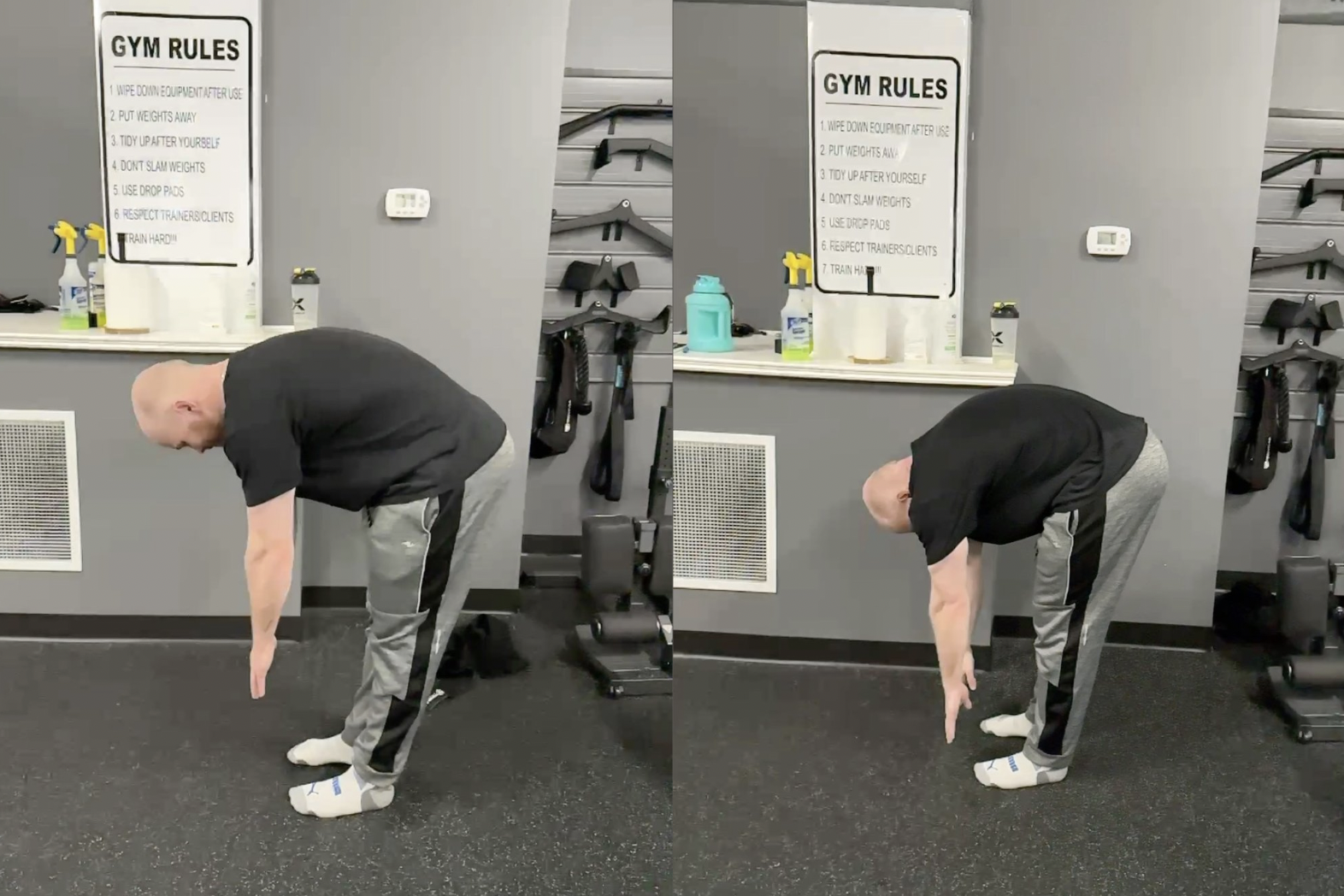
Movement Changes You Can See and Feel
Who Benefits Most
Fascial Stretch Therapy is especially helpful for:
People with Chronic Tightness - When stretching, massage, and foam rolling have not worked.
Active Adults - Restore movement that feels unavailable without chasing longer warmups.
Lifters & Athletes - Unlock joint range that caps strength and increases injury risk.
Endurance Athletes - Address repetitive-motion restrictions before they become overuse injuries.
Beginners - Improve mobility early so training is safer and more enjoyable.

Step 01: Assessment Before Action

Movement quality, range and compensation guide every decision.
Step 02: Systematic Sequencing
Work follows how fascia connects the body, not isolated tight spots.

Step 03: Traction-Based Techniques
Creating space in the joint allows deeper tissue layers to adapt.

Step 04: Progressive Expansion
We work at the edge of what’s available and widen it over time.

Step 05: Intentional Application
Every technique has a purpose. Nothing is random.
What to Expect in a Session
Sessions last approximately 60 minutes and are mostly passive.
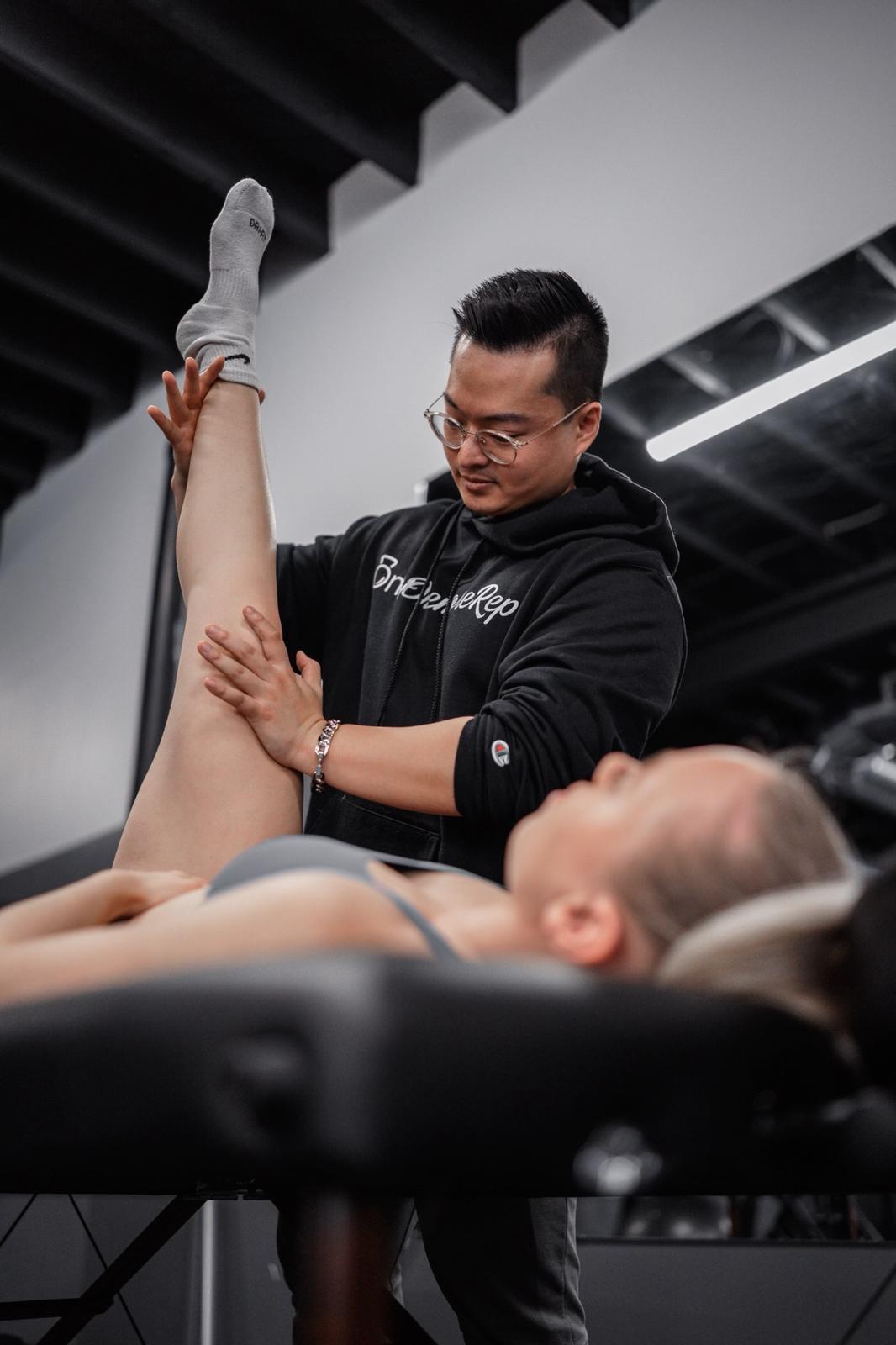
You'll lie on a treatment table wearing comfortable athletic clothing. Joints are gently guided through expanded ranges you can't access on your own. Your role is simple: relax and breathe.
Many clients notice immediate changes in movement or ease. Longer term improvements develop over repeated sessions as fascia adapts and remodels.
About Your Fascial Stretch Therapist
I'm an Honours B.A. Kinesiology graduate with over 10 years of hands-on experience working with a wide range of bodies – from athletes and lifters to older adults and individuals managing neurological and orthopedic conditions.
My background includes 7+ years working alongside clinicians in sport medicine settings, 3+ years as a student athletic therapist with the Western Junior Mustangs Football team, and 10+ years coaching in high-performance training environments. During this time, I've supported 850+ clients whose movement has been limited by pain, stiffness, or long-standing compensation patterns.
Fascial Stretch Therapy is applied thoughtfully and conservatively. Every decision is based on how you move, your history, and your comfort level – not force or intensity. The goal is to restore motion safely so it carries into how you train, recover, and move day to day.
How This Supports Your Goals
Performance means strength expresses itself more efficiently. Recovery reduces lingering stiffness and soreness. Injury prevention removes compensation before pain develops. Movement quality often improves automatically with better technique. Longevity maintains mobility that lets you keep training for years.

How is fascial stretch therapy different from regular stretching?
Regular stretching mainly targets muscle. Fascial stretch therapy targets connective tissue and joint capsules using assisted movement and traction you can’t create alone.
Is this the same as massage?
No. Massage is pressure-based. Fascial stretch therapy is movement- and joint-focused, designed to improve range and coordination.
How often should I book sessions?
Most people start weekly to address primary restrictions, then transition to bi-weekly or monthly maintenance.
Will I be sore afterward?
You may feel mild soreness for 24–72 hours, similar to a deep tissue massage or a tough workout, especially after your first session. This is normal and typically followed by improved mobility and reduced tension.
Can this help old injuries or chronic issues?
Often, yes. Restrictions frequently remain long after tissues heal and continue to affect movement.
Do I need to be flexible to start?
No. Limited mobility is exactly why most people seek fascial stretch therapy.
Is fascial stretch therapy safe?
Yes. All work stays within your current capacity and adapts to your history, injuries, and goals.
Does it replace training or rehab?
No. It complements them by improving the movement quality that training and rehab rely on.
Our Location
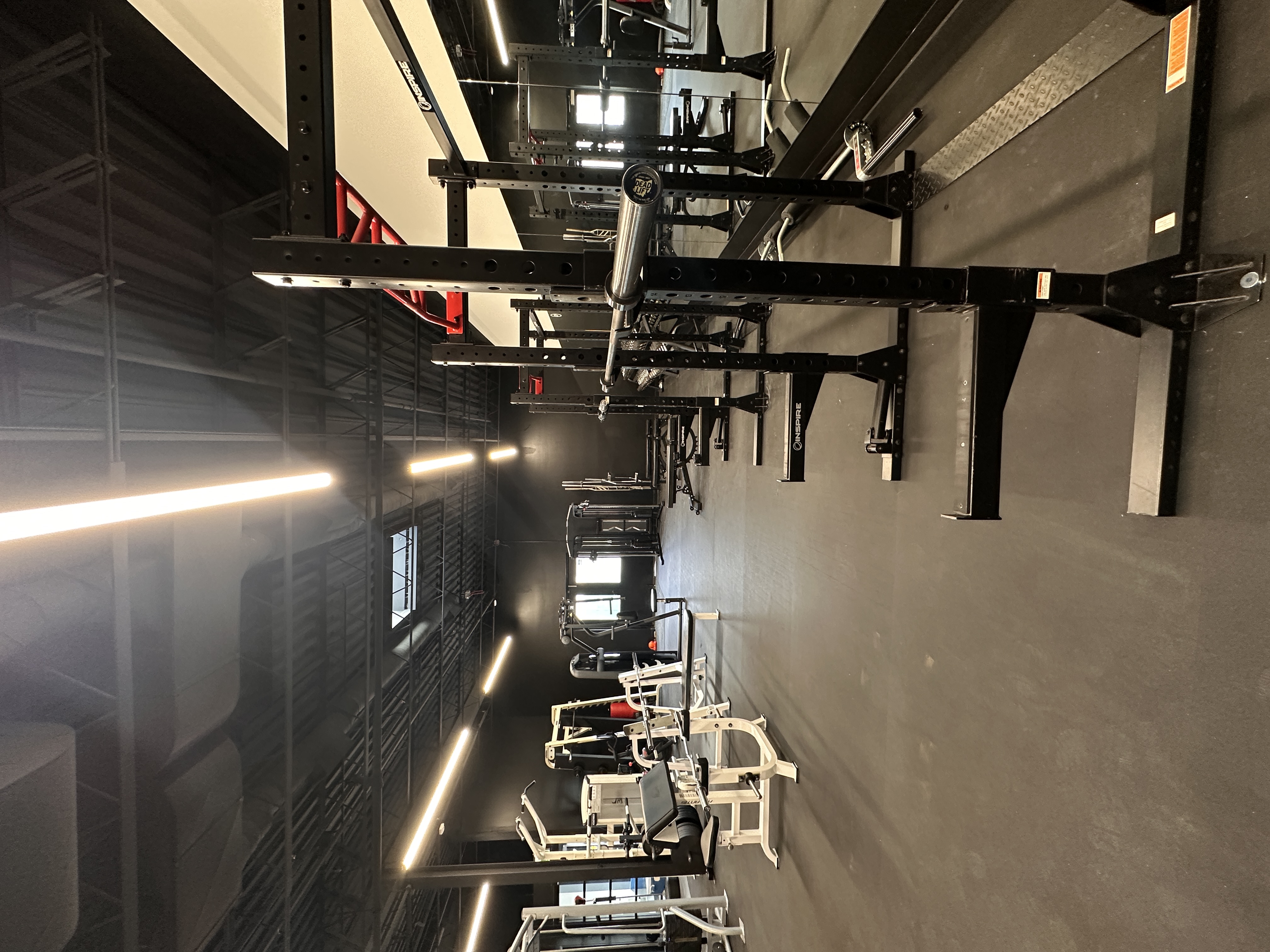
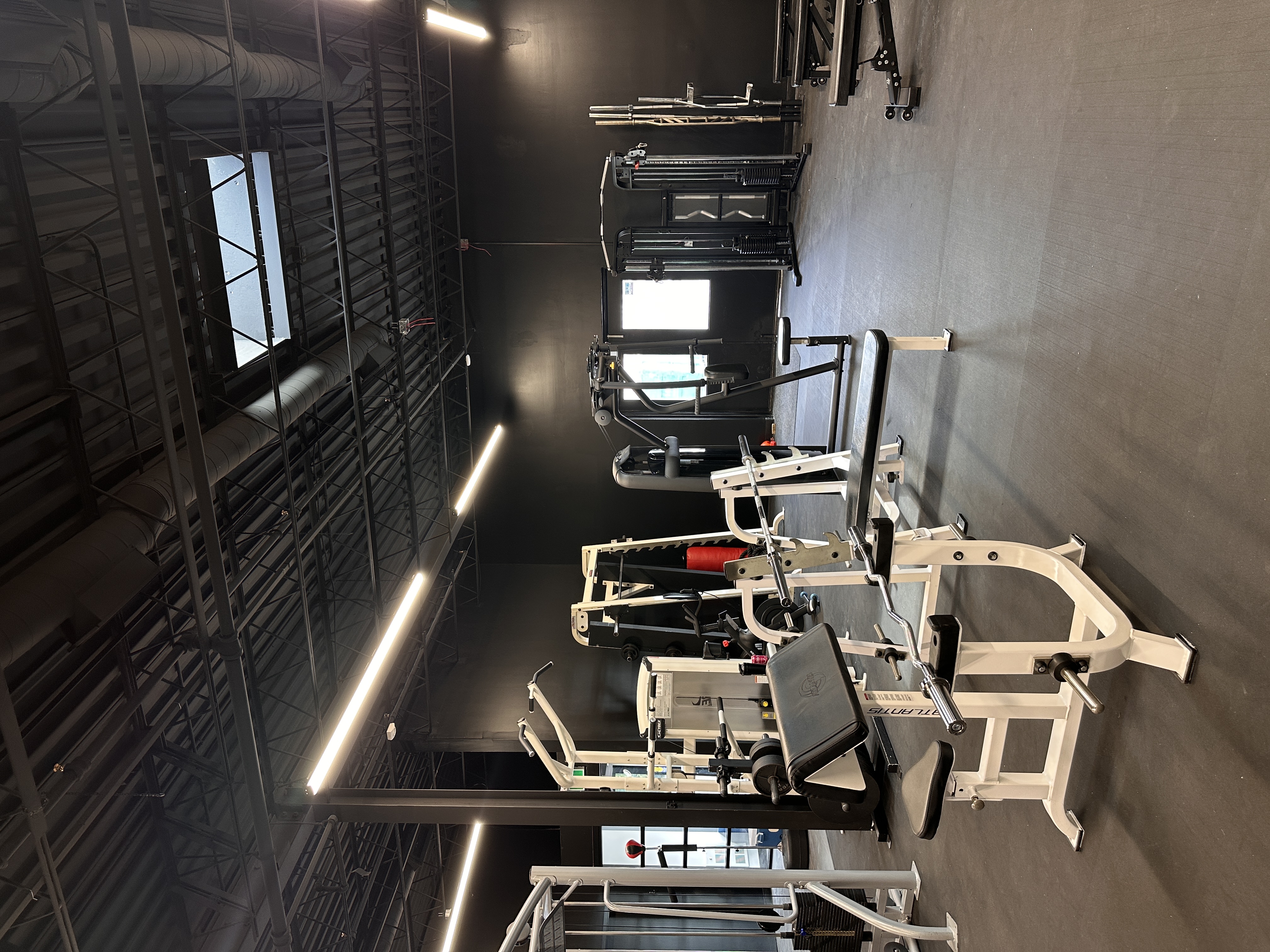
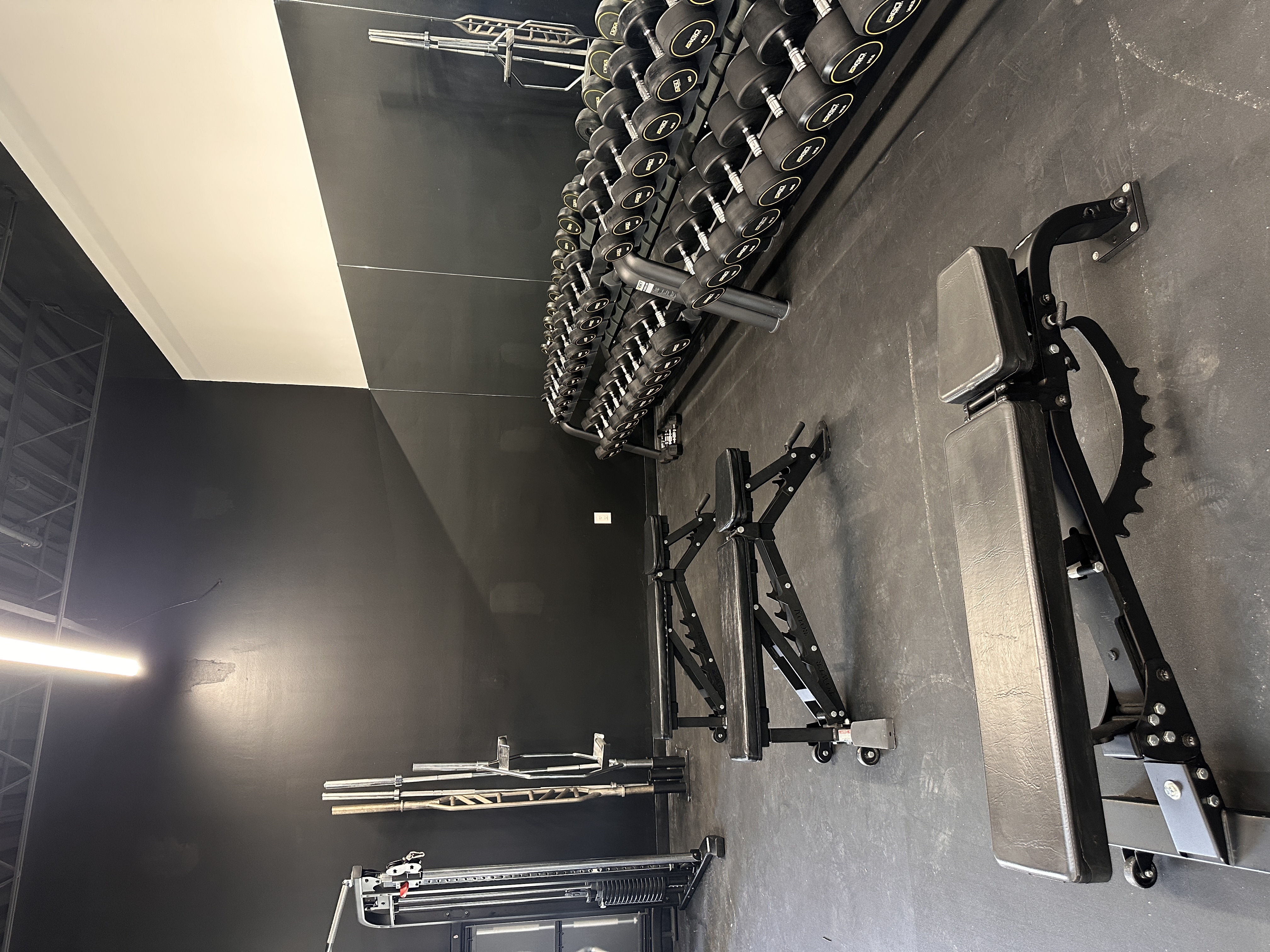
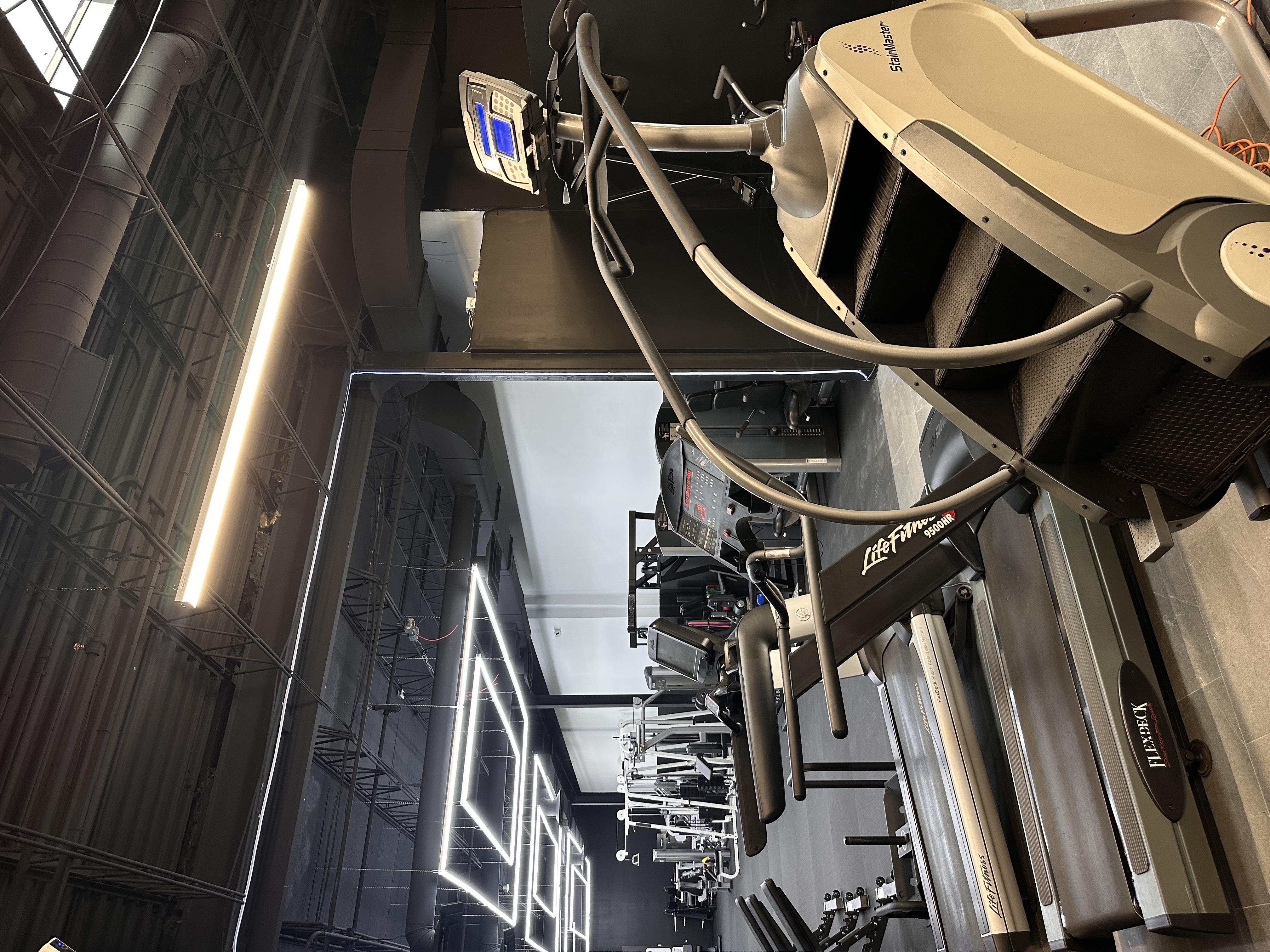
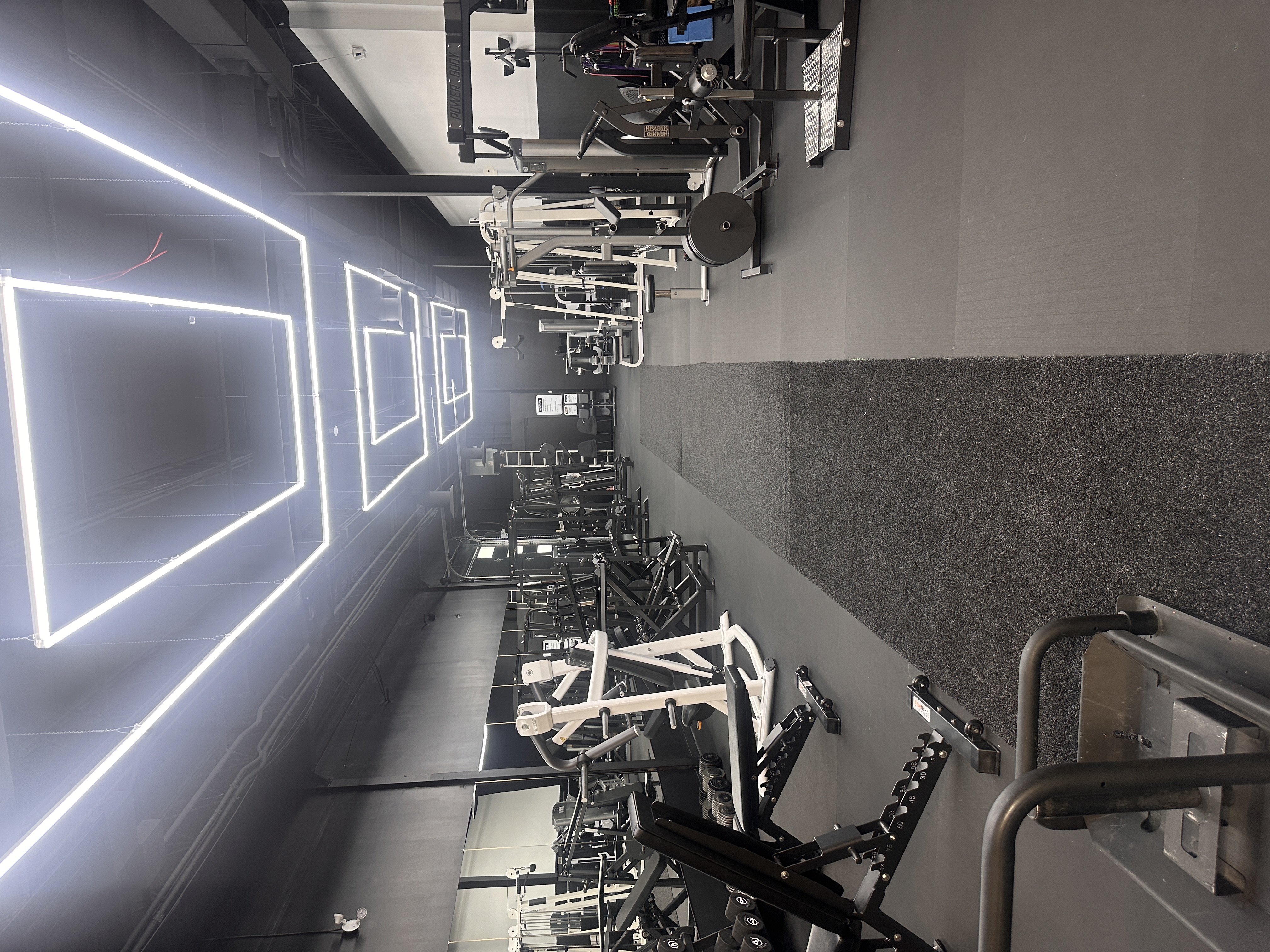
All sessions take place at our downtown London facility at 275 Colborne St, serving clients throughout London and surrounding communities.
Take the First Step
Your free consultation includes movement assessment, discussion of your training history and goals, facility tour, and evaluation of whether this approach fits your needs.
.svg)
Apply for Coaching
This form helps determine whether fascial stretch therapy fits your goals, history and availability.



Personal Training | Fascial Stretch Therapy | Fitness Test Prep | Voted Best Trainer 2024-2026
