


.svg)

Best Exercises for Injury Prevention: What Actually Works Beyond Stretching
Discover the best exercises for injury prevention that address mobility, stability, and movement quality. Evidence-based approach to staying healthy long-term.
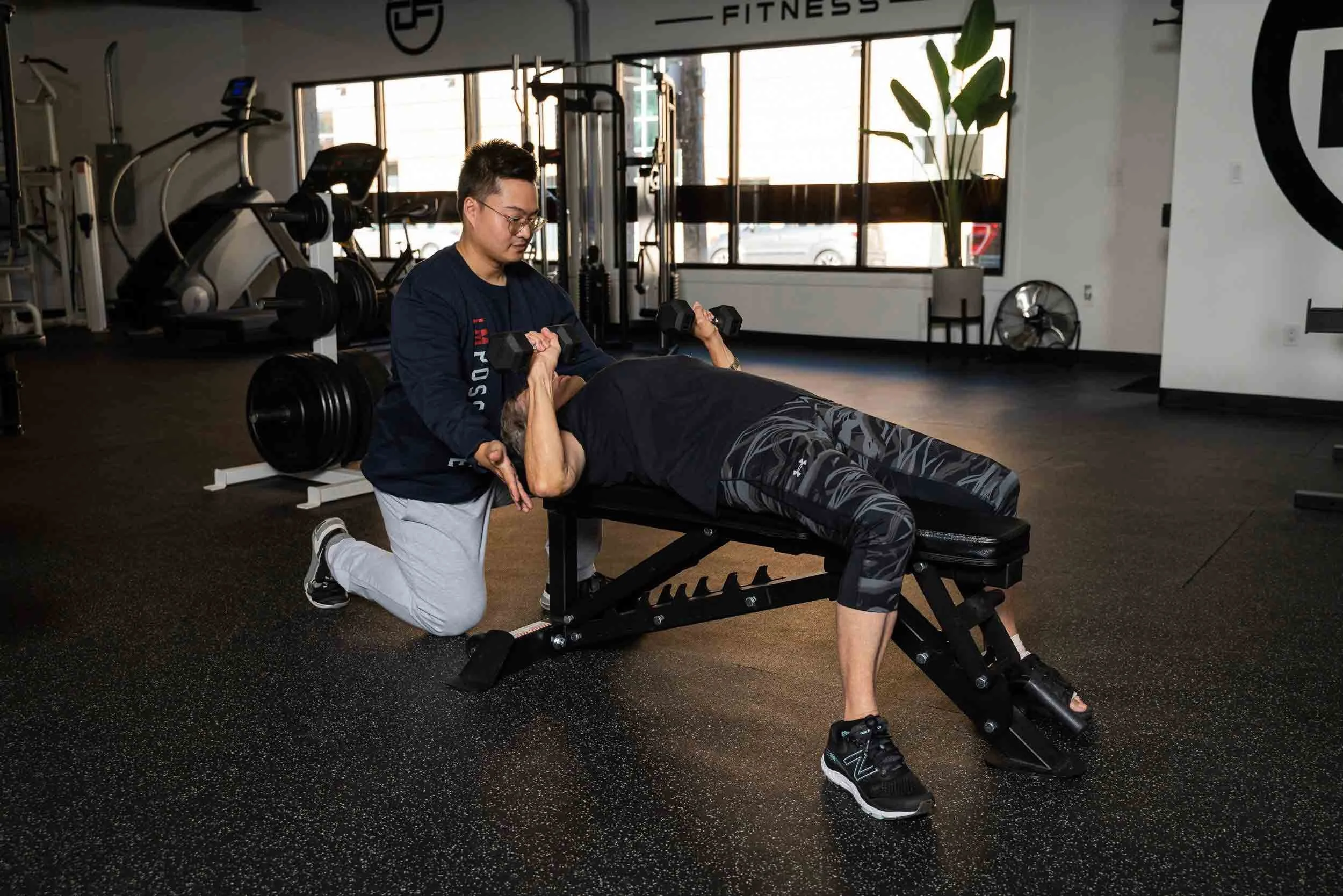
You've been training consistently for months. Progress is good. Then your shoulder starts bothering you during pressing movements. Or your knee feels off after running. Or your lower back tightens up after deadlifts. So you rest for a week, feel better, return to training, and within two weeks the same issue returns.
The truth is, the injury wasn't random bad luck. It was the predictable result of mobility restrictions you've been training around, stability deficits you've been compensating for, or movement patterns that have been breaking down under load for weeks. Rest resolved the acute symptoms but did nothing to address why the injury occurred in the first place.
The best exercises for injury prevention aren't random mobility drills or stretches you found on Instagram. They're systematic work that addresses the specific deficits creating injury risk in your training. And most people are doing none of them.
Why Most Injury Prevention Fails
Most people approach injury prevention the same way: they wait until something hurts, then they start stretching or doing band work, hoping it fixes the problem. This fails for several reasons.
First, by the time something hurts, you're already injured. The pain is the symptom, not the cause. Whatever mobility restriction, stability deficit, or movement dysfunction created the injury has likely been present for weeks or months. Addressing it after injury is damage control, not prevention.
Second, generic injury prevention exercises don't account for your specific limitations. The hip mobility drill that helps one person might be irrelevant for you if your restriction is in your ankle or thoracic spine. Doing random prevention work is like taking random vitamins – you might accidentally address something you need, but you're mostly wasting effort.
Third, injury prevention work only works if you actually do it consistently. Most people add prevention exercises to their program when they're worried about getting hurt, then drop them as soon as they feel fine. Your mobility restrictions and stability deficits don't disappear because you feel good. They're still there, creating the same injury risk.
The Real Risk Factors Creating Injuries
Understanding the best exercises for injury prevention requires understanding what actually creates injury risk. It's not random. It's not bad luck. Injuries follow predictable patterns based on specific risk factors.
Mobility Restrictions: Limited ankle dorsiflexion changes your squat mechanics, forcing your knees to travel forward less and putting more stress on your lower back. Restricted thoracic extension affects your overhead pressing position, forcing compensation through your shoulders and elbows. Tight hips limit your hip hinge pattern, making your deadlift more of a back exercise. These restrictions don't just limit performance – they create compensations that eventually break down under load.
Stability Deficits: Your shoulder has adequate mobility but lacks the stability to control that range under load, leading to impingement or strain. Your core can't maintain neutral spine position during heavy lifts, allowing your lower back to round. Your ankle stability is inadequate for running or change of direction work, creating chronic ankle sprains or knee issues. Mobility without stability is just uncontrolled range waiting to create injury.
Movement Pattern Dysfunction: Your squat shifts weight to one side because of old injury compensation. Your running gait shows excessive hip drop because of weak glutes. Your shoulder blades don't move properly during overhead work because years of desk work created dysfunctional patterns. These movement dysfunctions distribute force poorly, creating localized stress that accumulates until something fails.
Best Exercises for Injury Prevention: Lower Body
Lower body injury prevention focuses on maintaining hip, knee, and ankle mobility while building the stability to control that range under load and during dynamic movement.
90/90 Hip Rotations: Addresses both hip internal and external rotation restrictions that affect squat mechanics, running gait, and change of direction ability. Sit with one leg in front at 90 degrees and one leg to the side at 90 degrees. Rock forward and back, side to side, and in circles, focusing on smooth movement through your hips rather than compensation through your back. This addresses restrictions that create knee pain, hip impingement, and lower back issues.
Single-Leg Romanian Deadlifts: Builds hip stability, balance, and the ability to maintain neutral spine during hinge patterns. Stand on one leg, hinge at your hip while extending your free leg behind you, maintaining straight line from head to heel. This addresses stability deficits that create lower back injuries during deadlifts, hamstring strains from poor movement patterns, and knee issues from inadequate hip control.
Ankle Mobility with Band Distraction: Limited ankle dorsiflexion is one of the most common restrictions affecting squat depth, running mechanics, and jump/landing patterns. Place a band around your ankle, step forward into a lunge position, and drive your knee forward over your toes while keeping your heel down. The band creates joint distraction that helps mobilise the ankle capsule. This prevents knee injuries from poor squat mechanics and Achilles issues from restricted ankle range.
Copenhagen Plank: Addresses adductor strength, which is often neglected but crucial for hip stability during change of direction, deceleration, and single-leg work. Side plank position with your top leg supported on a bench, bottom leg hanging free. This prevents groin strains, hip injuries from instability during sport, and knee issues from poor frontal plane control.
Best Exercises for Injury Prevention: Upper Body
Upper body injury prevention focuses on shoulder and thoracic spine mobility, scapular stability, and the ability to maintain good position under load.
Wall Slides with Thoracic Extension: Stand with your back against a wall, arms overhead. Slide your arms down the wall while maintaining contact with elbows and wrists, focusing on keeping your ribs down and extending through your mid-back. This addresses thoracic extension restrictions that force compensation during overhead pressing, creating shoulder impingement and neck issues.
Band Pull-Aparts with Scapular Control: Hold a band at shoulder height, pull it apart while squeezing your shoulder blades together. Focus on initiating the movement from your shoulder blades, not your arms. This builds scapular retraction strength that stabilises your shoulder during pressing and pulling movements, preventing shoulder injuries from poor positioning.
Shoulder CARs: Move your shoulder through its full available range in controlled circles while keeping your torso completely stable. This requires and builds both mobility and stability simultaneously, addressing restrictions and control deficits before they create impingement, rotator cuff issues, or instability injuries.
Dead Bugs: Lie on your back with arms extended toward ceiling and knees at 90 degrees. Lower opposite arm and leg toward floor while maintaining flat lower back. This builds core stability and the ability to maintain neutral spine position – crucial for preventing lower back injuries during any loaded movement.
How to Actually Program Injury Prevention Work
The best exercises for injury prevention only work if you actually do them consistently and program them intelligently.
Daily Movement Prep: 5-10 minutes of basic mobility work every morning. Hip rotations, shoulder circles, thoracic rotations, ankle mobility. Takes minimal time and addresses restrictions before they limit your training or create injury.
Pre-Training Activation: 10-15 minutes before training sessions focusing on activating underactive muscles and mobilising restricted areas relevant to that day's work. Squatting today? Hip mobility and glute activation. Pressing today? Thoracic mobility and scapular stability work.
Dedicated Prevention Sessions: One or two 20-30 minute sessions per week specifically focused on addressing your individual limitations. This is where you do the targeted work addressing your specific mobility restrictions, stability deficits, and movement dysfunctions.
Post-Training Recovery Work: 5-10 minutes of mobility work after training while your tissue is warm and receptive. Focus on areas that got tight during training or movements that felt restricted.
The key is consistency. Ten minutes daily beats an hour once a week. Prevention work doesn't need to be exhausting – it needs to be regular.
When Prevention Isn't Enough
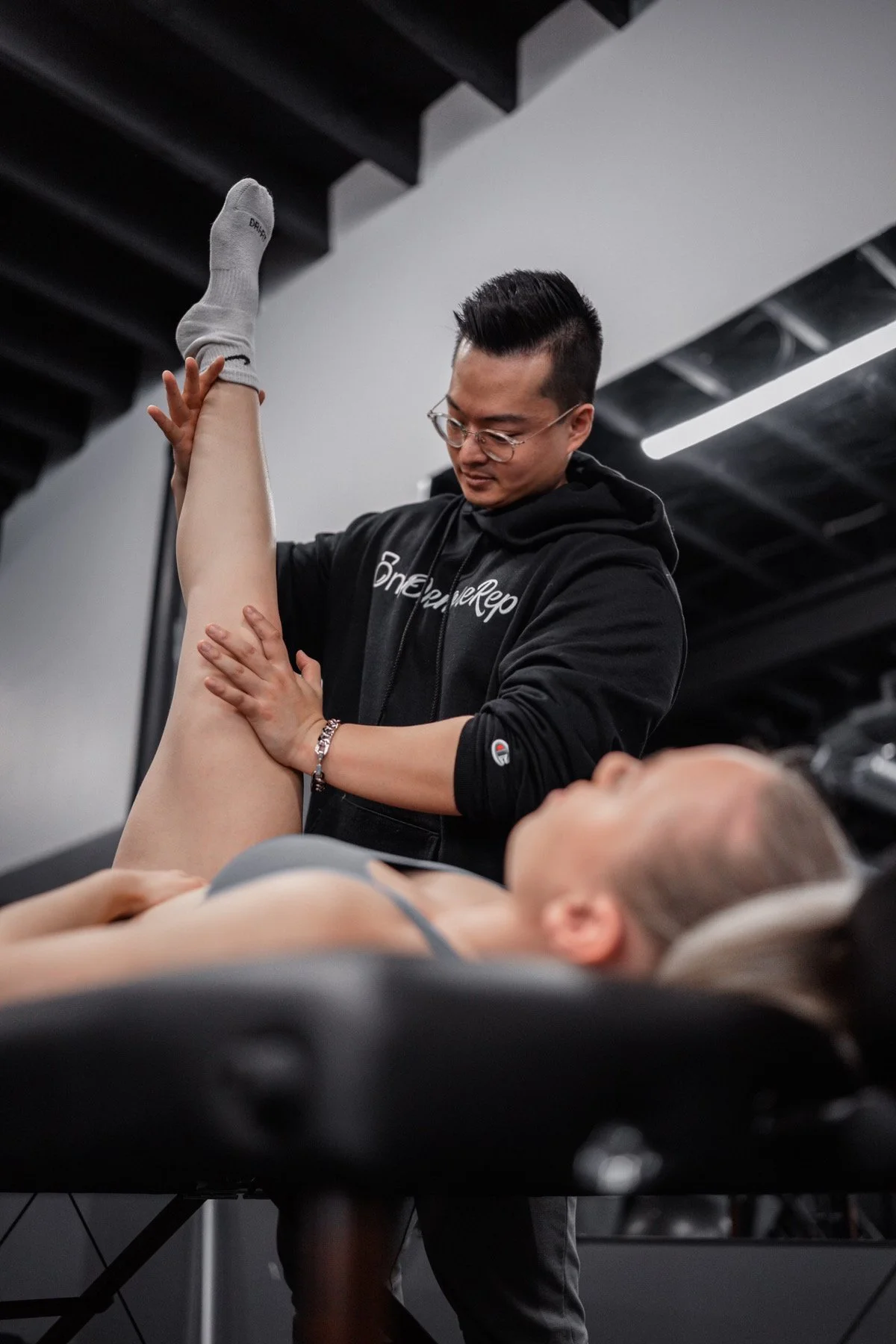
Sometimes injury prevention exercises aren't enough because the restriction or dysfunction exists in tissue layers that these exercises can't adequately address. Limited ankle dorsiflexion might reflect joint capsule restriction that requires manual therapy. Chronic shoulder issues might reflect fascial restrictions that need assisted stretching. Persistent movement dysfunction might require coaching to identify and correct patterns you can't see yourself.
This is where working with a professional becomes necessary. A skilled trainer or therapist can identify restrictions you're unaware of, address tissue limitations that self-care can't reach, and provide the external feedback necessary to correct dysfunctional movement patterns.
Ready to Stop Getting Injured?
Understanding the best exercises for injury prevention is one thing. Actually addressing your specific limitations through consistent, intelligent work is different. Most people know they should be doing prevention work. Few people actually do it systematically enough to see results.
At One More Rep in London, Ontario, we build injury prevention work directly into training programs rather than treating it as optional extra work. Movement assessment identifies your specific restrictions and dysfunctions. Programming addresses these systematically while building strength and capacity.
Your free consultation includes movement assessment and honest discussion of what's actually creating injury risk in your training – and what needs to change.
Apply for Coaching
This form helps determine whether our coaching fits your goals, history and availability.



Take the First Step
As the owner and head coach of One More Rep in London, Ontario, with a decade of experience, I've worked with hundreds of clients with diverse objectives and capacities. The common factor isn't age, fitness level, or training history – it's willingness to follow programs consistently rather than seeking entertaining workouts.
.svg)
Apply for Coaching
This form helps determine whether our coaching fits your goals, history and availability.



Personal Training | Fascial Stretch Therapy | Fitness Test Prep | Voted Best Trainer 2024-2026
